
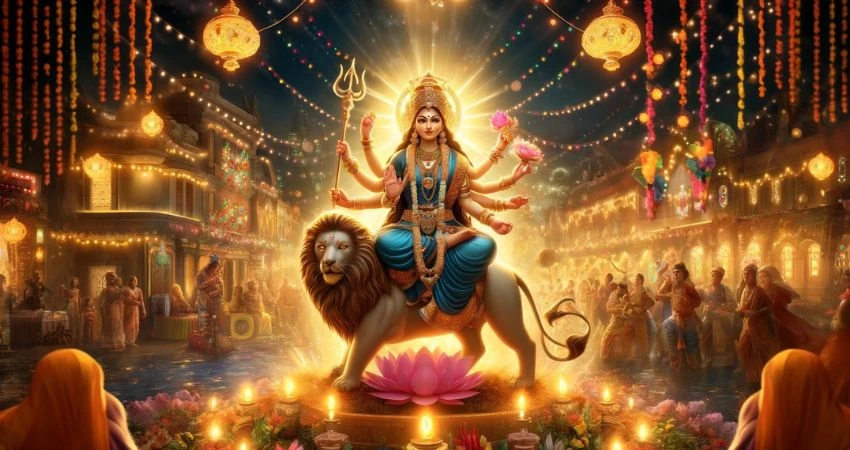
Kushmanda Mata: A Basic Introduction

Kushmanda Mata is worshipped during Navratri. She is known for her bright energy and caring nature. Maa has a glowing aura, which represents the life force that created the universe people pray to her for good health, prosperity and spiritual growth in their lives this makes her an important part of Hindu beliefs.
Etymology and Definition

The name Kushmanda is a combination of two Sanskrit words. “Kush” means sacred grass used in poojas and “Amanda” means happiness or joy the name represents positivity and abundance.
She is worshipped on the 4th day of the Navratri festival and is connected with creation and caring energy. She teaches us to grow, care and stay positive in life.
Mythological Origins and Legends

There are many stories about Maa Kushmanda in old Hindu books but the most popular one is about her role in creating the universe.
- Creation of the Universe: According to old writings and people’s beliefs she created the universe with her pure smile which gave life to everything and everyone.
- Defeating Demons: Maa fights evil forces and protects her devotees whenever needed. She always helps to bring balance and peace to the world.
These stories tell us that she is a creator and a protector as well.
Iconography and Symbolism
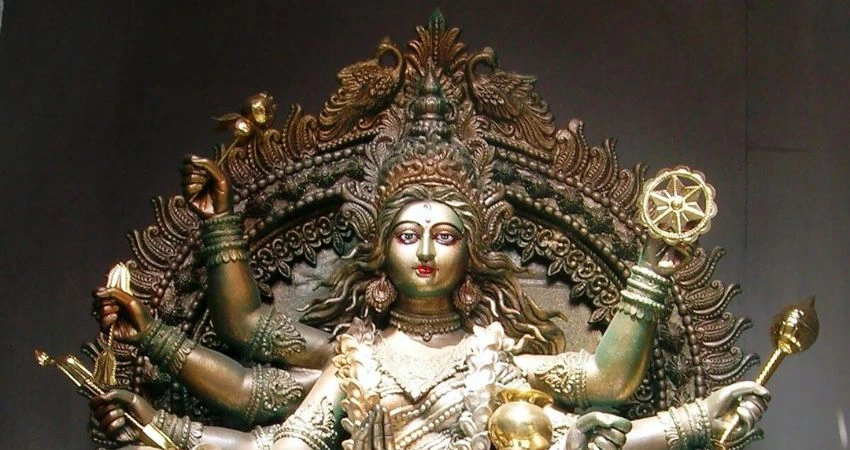
Maa Kushmanda have eight arms and each actually holds something meaningful. Tiger is her vahana which is a representation of strength and courage.
- Pumpkin: She holds a pumpkin in one of her hands which represents prosperity and abundance.
- Weapons: In her other hands she carries different weapons, including a bow, arrow and sword. These show her readiness to protect her people and fight against negativity.
She teaches us what strength, growth, and positivity actually means.
Weapons and Significance

Maa Kushmanda have many weapons with her as we discussed before but each one of them has a special meaning.
- Bow and Arrow: This represents focus and determination it teaches us to stay clear about our goals so that we can move forward in life with confidence.
- Sword: The sword represents knowledge and the removal of ignorance from a person’s life.
- Trident: The trident represents balance in life. It teaches us about creation, protection and destruction which are three important parts of life.
We learn to stay strong and focused in life by all this representations.
Vahana (Vehicle)

Maa Kushmanda also has a vahana which is a tiger or can say it is her vehicle. The tiger is a representation of courage, strength and power which is necessary for everyone in their life.
- Symbol of Power: The tiger represents her fearless nature and her ability to overcome any challenge in life.
- Connection to Nature: It also shows her connection with nature and teaches us to respect nature and always live in balance with the environment.
She is a protector and a caring person, which we should try to learn from and follow in our lives.
Divine Appearance and Attire
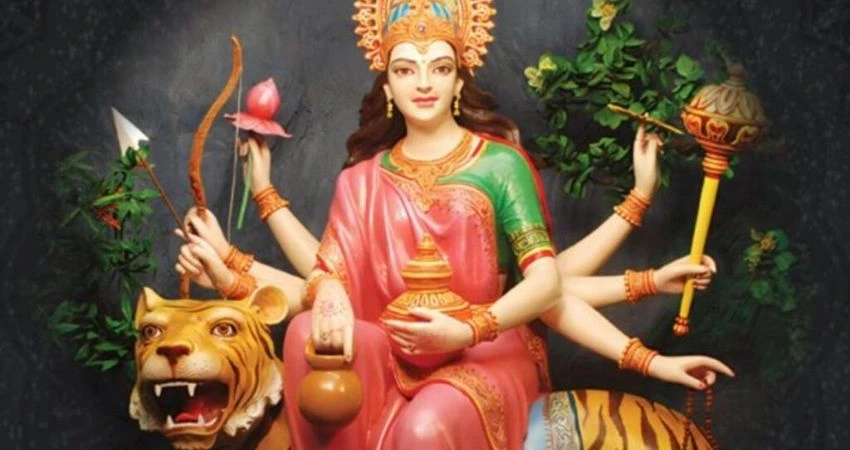
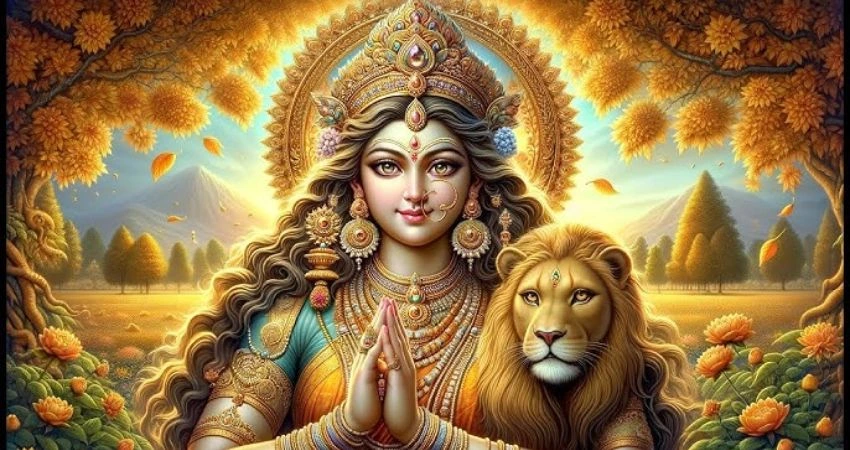
Maa Kushmanda represents a bright and beautiful nature. She is usually seen wearing yellow or orange-colored clothes, which represent energy and life.
- Radiant Aura: She brings positive energy into the world through her glowing appearance..
- Jewelry: Well ornaments here reflect her divine and royal nature, which shows her prosperity and blessings she brings in our life.
We learn to stay positive and strong by her form. It’s like the more we learn about her the more we get to learn new things.
Rituals and Celebrations
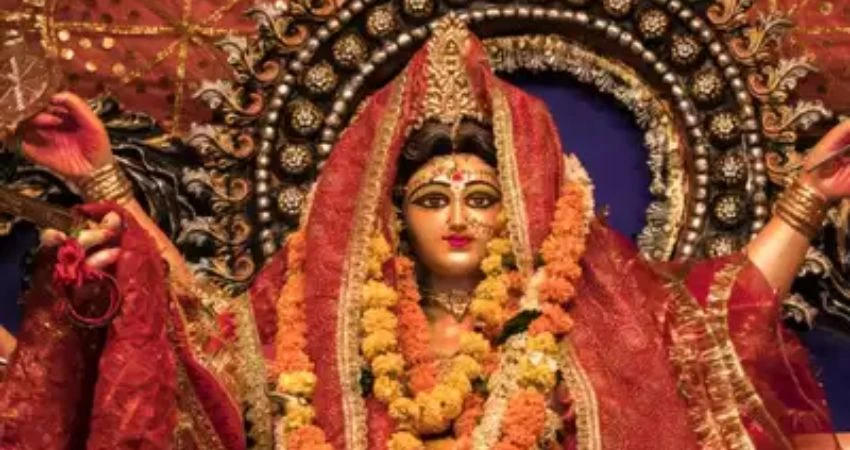
Maa Kushmanda is prayed with so much faith during Navratri festival. People learn and follow different rituals for taking her blessings.
- Morning Aarti: People start this special day by praying and singing aarti for Mata which gives a peaceful and positive start to their day.
- Fasting: Many people fast to clean their body and mind which helps them strengthen their faith in Maa.
- Offerings: On this day, flowers, fruits and sweets are also offered to Maa as a sign of love and respect.
By all these rituals we can build a strong connection with maa and this also helps in bringing everyone together.
Mantras and Prayers
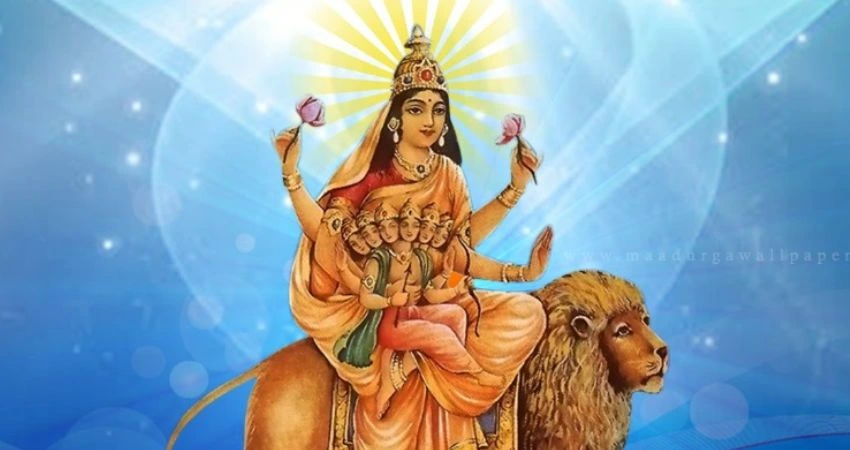
People chant some special mantras and prayers to connect with Maa Kushmanda in a much better way.
- Kushmanda Mantra: “Om Devi Kushmandayai Namah” is chanted to seek her blessings and increase inner strength.
- Prayers: Prayers encourage people to focus on her qualities like abundance, wisdom and kindness. They not only teach us these qualities but also encourage us to follow them in our lives.
Philosophical and Spiritual Significance
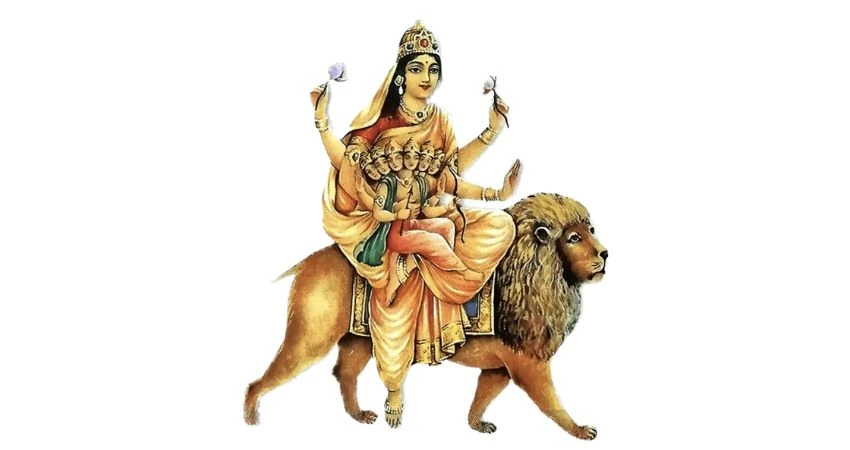
As we discussed before Maa Kushmanda represents creation, care and abundance in one’s life.
- Inner Strength: She teaches everyone to build their inner strength and stay strong during the difficult times in life.
- Compassion and Care: She also teaches us the importance of kindness and caring for others just like a mother does.
Her teachings remind us to live with both strength and compassion.
Relevance in Modern Life
Even today when generations, practices and people have changed a lot Maa teachings are still very useful for all of us.
- Empowerment: She teaches us to believe in ourselves and face every challenge with confidence.Empowerment: She tells us to believe in ourselves and to face every challenge confidently.
- Balance: She also teaches us to balance strength with kindness in our personal and professional lives for living a better life ahead.
Her guidance helps us live a more stable and positive life.
Embracing the Spirit of Kushmanda

As we celebrate Maa Kushmanda during Navratri we can try to follow her path of strength, care and abundance by seeking her blessings we can bring these qualities into our lives.
Through prayers, rituals and faith we not only honor her but also grow as individuals. Her teachings help us stay strong, positive and connected to the divine.
For those who wish to explore astrology and spiritual guidance AstrologyStarts.com provides helpful resources, insights and personal consultations our aim is to support people in understanding their life’s direction and connecting with more positive spiritual energy around them.
FAQs
What is Kushmanda the goddess of?
She is known as the goddess of the Sun and represents energy, light and positivity.
What are the benefits of Worshipping Kushmanda?
Her worship helps remove obstacles, bring success and improve emotional and spiritual well being.
Which chakra is Devi Kushmanda?
She is connected to the Solar Plexus Chakra which is related to confidence and personal power.
What is the power of Kushmanda Devi?
She has the power to remove negativity, bring positivity and strengthen inner confidence and balance.
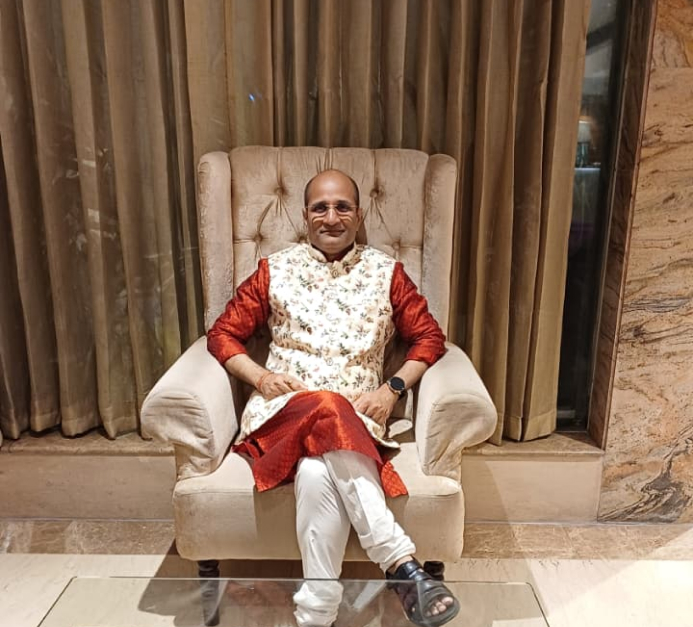
Acharya Shri Devesh Kumar Thakur Ji was born into a Maithili Brahmin family, and from childhood, he was blessed with knowledge of parapsychology and paranormal vision. His father was the Head of Department (HoD) of Archaeology at a government university, and his mother was a teacher at a government school. Both his maternal and paternal grandfathers retired from high-ranking positions in the Department of Education & Power Project, Government of India.
With the divine blessings from Matarani, Goddess Durga, Guruji started astrological predictions from childhood by looking at palms and foreheads. Along with formal education, Acharya ji was especially interested in Tantra-mantra, spirituality, meditation, and the presence and usage of invisible paranormal powers. Guruji had completed his M.B.A. in 1995. He had started his own business, and for 17 years he acted as a Managing Director in a Pvt. Ltd. company, and after that he had served as Sr. Vice President (Sr. V.P.) of a big IT company. And thereafter, he has taken responsibility for social service for the suffering people.
Hastarekha (Palmistry), Samudrik-shastra, Jyotisha (Astrology), Tantra, and Parapsychology were his natural fields of interest, and due to that, he had studied them deeply. As a worshiper of Devi Shakti since the age of 22, he spent many of his nights in the cremation ground (Shamshana) near Kalidas’s Ishta Devata, Maa Ucchaith Bhagawati, by performing Shamshan Sadhana to experience those paranormal energies or supernatural spirits.
He performed severe austerities (sadhana) for Maa Pitambari and Haridra Ganapati and accomplished many next-to-impossible tasks and, through various rituals across many families and societies, completed works that had stalled.