

Puja or Worship: Essential Rituals, Offerings, and Divine Blessings Explained
Puja or worship is an important tradition in Hinduism in puja people worship god with faith and devotion by offering things like a lamp, flowers, water and food the purpose of puja is not only to ask god for something it is also a way to show love and respect for god, keep the mind pure and find inner peace.
In Hindu traditions puja is seen as a way to build a connection between a person and god religious texts such as the Vedas and Puranas also explain the importance of puja and worship.
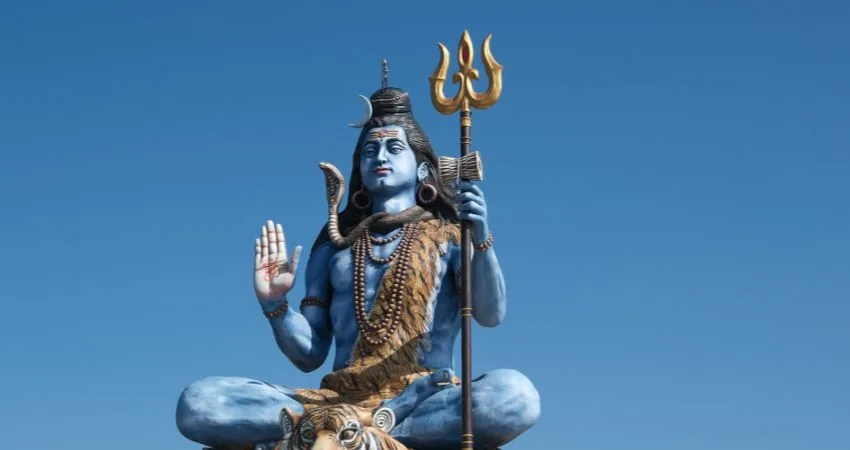
Puja can be very simple or it can be done in a detailed way. The most important thing is the faith and devotion of the person performing it Festivals such as Durga Puja, Chhath Puja, Saraswati Puja and Govardhan Puja are ways for people to show their faith in God and pray for happiness, peace, prosperity and knowledge.
Why is Puja or Worship Important in Human Life?
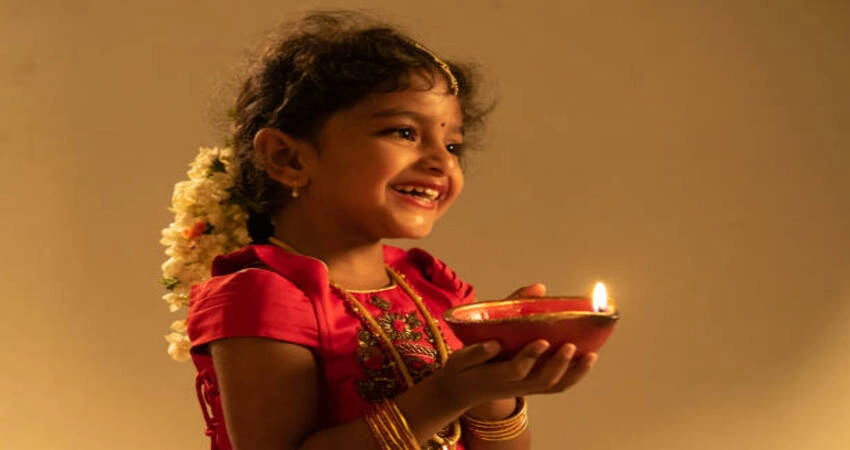
Puja and worship have been a part of Hindu tradition for many centuries along with religious faith they are also believed to help bring peace and stability to the mind. From a scientific point of view, some activities done during puja may have a positive effect on the mind For example chanting mantras and repeating them can help calm the mind improve concentration and reduce stress.
Puja and worship can also help a person develop qualities such as discipline, patience, concentration and self-control it gives a person some quiet time away from daily worries and helps them calm their mind and bring more positivity into their life.
Which God Should We Worship?
Hinduism is a very broad religion, and people worship many different gods and goddesses a person can choose to worship any God or Goddess according to their faith family traditions and personal beliefs.

- Durga: Durga Puja is seen as a symbol of strength and protection from negative things.
- Saraswati: Saraswati Puja is dedicated to the Goddess of knowledge, education and art.
- Lord Krishna: Govardhan Puja is a symbol of love and devotion towards Lord Krishna.
- Sun God: The Sun God is worshipped during Chhath Puja. It is seen as a symbol of life, energy and strength.
Every God and Goddess has a special place and meaning. Therefore, a person can choose their form of worship according to their faith and spiritual needs
Is Puja Connected with Planetary Peace ?
In Vedic astrology it is believed that the position of planets at the time of a person’s birth can affect their life positive planets are linked with good results while negative planetary effects are linked with difficulties.
According to astrological beliefs worshipping certain gods and goddesses and following certain religious practices may help reduce the negative effects of planets.

For example: Worship of Lord Hanuman is believed to help reduce the negative effects of Saturn. Vishnu Sahasranama, the chanting of the thousand names of Lord Vishnu, is traditionally connected with Mercury. Similarly, different types of prayers and worship are performed for different planets. The purpose of these practices is believed to be bringing peace, balance and positivity into life.
Can Puja Help Bring Life in the Right Direction?
Life has both good and difficult times puja and worship can give a person peace and emotional support during difficult situations. Worshipping god with faith can help a person feel peaceful think positively and gain strength to face difficult situations. Traditions such as Chhath Puja also give messages of gratitude discipline and a healthy way of living along with the worship of the Sun god.
Similarly people facing career problems may pray to Lord Ganesha who is traditionally believed to remove obstacles people also worship Lord Dhanvantari when praying for good health.hanvantari in hopes that he blesses them with good health.

Rituals are Important While Performing Puja or Worship
Rituals are considered an important part of worship they help people perform puja in a proper and organized way these traditions are connected with religious faith and can also help a person focus their mind and develop positive thoughts. Some important steps of puja are:
- Purification: Before starting the puja a person takes a bath and keeps the body and mind clean.
- Mantra and Aarti: Mantras are chanted and aarti is performed to remember god and offer prayers.
- Prasad: Fruits, sweets and other food items are offered to god. They are later taken as prasad.
- Lighting a Lamp: A lamp is considered a symbol of knowledge and light it also represents the removal of darkness.
- Prayer and Meditation: A person spends some quiet time praying and meditating this helps improve concentration and express devotion towards god.
- Following the Puja Method: The puja is performed according to the tradition and proper method connected with the particular God or Goddess being worshipped.
These religious traditions and rituals are also followed during festivals such as Saraswati Puja and Govardhan Puja.

What Are the 7 Things Kept in a Puja Thali?
The things kept in a puja thali have their own religious and symbolic meaning some of the main items are:
- Diya (Lamp): A diya is a symbol of knowledge and light it represents the removal of darkness.
- Incense Stick: Incense sticks are used to make the surroundings pleasant and peaceful during puja they are also considered a symbol of a clean and pure environment.
- Flowers: Flowers are a symbol of devotion, love and beauty they are offered to God during puja.
- Rice (Akshat): Rice is considered a symbol of prosperity, completeness and life During puja rice is often used as Akshat.
- Kumkum and Turmeric: Kumkum and turmeric are considered symbols of good luck, purity and prosperity they are used for applying tilak and for other religious activities during puja.
- Prasad: Prasad is the food offered to God iIt is later shared with others as a blessing from God.
- Bell: The sound of a bell is believed to remove negative energy and help improve concentration..

The items used in a Puja Thali usually have religious and symbolic importance. The seven main items are:
- Diya (Lamp): It represents the light of knowledge and helps remove darkness.
- Incense Stick: It is used to make the Puja area pleasant and peaceful It is also seen as a symbol of a clean and pure environment.
- Flowers: Flowers represent devotion and beauty they are offered to god during Puja.
- Rice (Akshat): Rice represents prosperity, fullness and food for living beings.
- Kumkum and Turmeric (Sindoor and Haldi): They are used for applying Tilak and are considered symbols of purity good fortune and blessings.
- Prasad: Food offered to God is called Prasad it is later shared with people as a blessing from God.Bell: The sound of a bell is believed to remove negative energy and help improve concentration.
Conclusion
uja is not only a religious activity it is also a spiritual practice that can help strengthen faith calm the mind and bring balance to life. Whether you are celebrating Durga Puja 2026 Chhath Puja 2026 Saraswati Puja 2026 or Govardhan Puja 2026 every Puja has its own importance Puja can be a way to bring peace prosperity and spiritual happiness into life. When we perform Puja with fait it can help us develop positive thoughts and feel closer to God.
If you are interested in Puja and Vedic Astrology, you can also learn how astrology works through birth chart reading, palm reading and Vastu these methods are believed to help people understand and deal with different problems in life. Astrology also suggests different remedies such as gemstones, Tantra, mantras and Rudraksha to help people overcome difficulties and move towards success and blessings.
FAQs
What is a puja in India?
Puja is a Hindu religious practice in which people pray to different gods and goddesses they offer flowers, incense, food and a lamp to god Puja is usually performed at home or in temples.

What is called puja in English?
In English, Puja means worship, prayer, respect or devotion. It is a religious practice in which people respectfully offer flowers, incense, food and other items to gods and goddesses.
What are the 7 items on a puja tray?
A Puja Thali usually contains a lamp, incense sticks, flowers, Kumkum, rice, Prasad and a bell. These items are used during Puja and are connected with cleanliness, devotion and the presence of God.
What are the 16 steps of puja?
The 16 steps of Puja include welcoming God, offering a seat, washing the feet, washing the hands, offering water to drink, bathing the idol, offering clothes, applying perfume, offering flowers, incense, a lamp, food, water, doing Parikrama, praying and giving blessings.
What are the 5 steps of puja?
The five basic steps of Puja include meditation, welcoming god, offering a seat to god, offering water and offering food (Prasad).
am).

What are the 8 types of murti?
In Hinduism, there are eight types of idols. These are Svayambhu, Daivika, Manushya, Gandharva, Arsha, Rakshasa, Asura and Kshetra. Each type has a different spiritual meaning.
What is tilak?
Tilak is a mark made on the forehead using Kumkum, sandalwood paste, turmeric or ash it represents a person’s spiritual feelings and God’s blessings.
What are the 9 days of puja?
The nine days of Puja refer to Navratri a Hindu festival celebrated in honour of Goddess Durga on each day a different form of Goddess Durga is worshipped.
Basic Steps for performing Puja.
The main steps of puja include cleaning the place, placing the idol or picture of God, lighting a lamp, offering flowers, incense and food, chanting mantras, and performing aarti at the end Devotion and faith are very important for a puja.
Steps involved in performing Lakshmi Puja.
For Lakshmi Puja, the person should clean the area around them and place a picture or idol of Goddess Lakshmi on a red cloth. A lamp should be lit, and flowers, sweets, betel nuts and incense should be offered Lakshmi mantras should be chanted, followed by aarti for wealth and prosperity.
Steps in performing aarti at home.
To perform aarti at home, light a lamp or camphor and pray to God while ringing a bell and offering flowers, move the lamp in a circular way in front of the deity. After the aarti is over, distribute the prasad.
Meaning of performing puja?
Puja means praying to a deity with faith, showing respect, and asking for God’s blessings.blessings from God.

What is the true meaning of Puja?
The true meaning of puja is to pray to God with devotion, gratitude and respect.
What are the rules for puja?
There are some basic rules for puja these include keeping yourself and the place clean, wearing clean clothes, offering holy items, following the puja method properly, saying mantras correctly, and doing everything with faith and discipline.
Why do we do Puja?
Puja is a way to pray to God, receive His blessings, keep the mind calm, and create a peaceful spiritual environment it is believed to bring peace, prosperity and protection.
How do you perform Puja at home?
To perform puja at home, a clean place is prepared and the idol of the God being worshipped is placed there a lamp is lit flowers, garlands, incense and food are offered, mantras are chanted, and aarti is performed the puja is completed with a prayer.
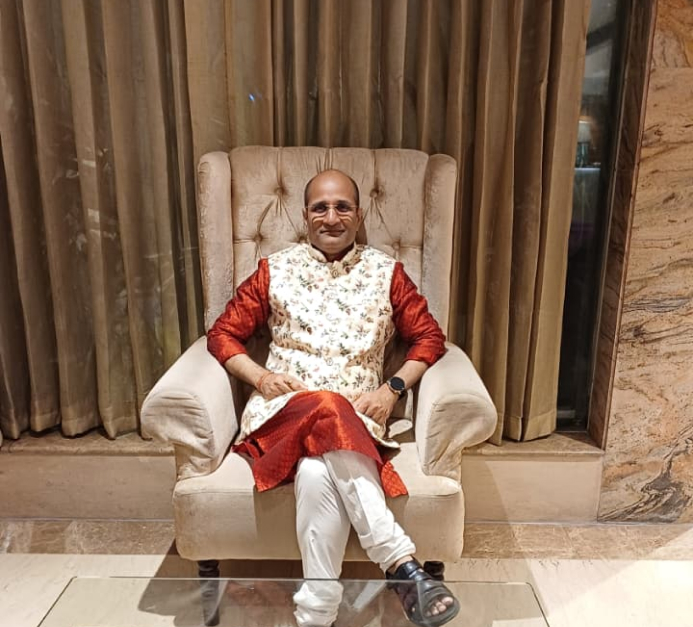
Acharya Shri Devesh Kumar Thakur Ji was born into a Maithili Brahmin family, and from childhood, he was blessed with knowledge of parapsychology and paranormal vision. His father was the Head of Department (HoD) of Archaeology at a government university, and his mother was a teacher at a government school. Both his maternal and paternal grandfathers retired from high-ranking positions in the Department of Education & Power Project, Government of India.
With the divine blessings from Matarani, Goddess Durga, Guruji started astrological predictions from childhood by looking at palms and foreheads. Along with formal education, Acharya ji was especially interested in Tantra-mantra, spirituality, meditation, and the presence and usage of invisible paranormal powers. Guruji had completed his M.B.A. in 1995. He had started his own business, and for 17 years he acted as a Managing Director in a Pvt. Ltd. company, and after that he had served as Sr. Vice President (Sr. V.P.) of a big IT company. And thereafter, he has taken responsibility for social service for the suffering people.
Hastarekha (Palmistry), Samudrik-shastra, Jyotisha (Astrology), Tantra, and Parapsychology were his natural fields of interest, and due to that, he had studied them deeply. As a worshiper of Devi Shakti since the age of 22, he spent many of his nights in the cremation ground (Shamshana) near Kalidas’s Ishta Devata, Maa Ucchaith Bhagawati, by performing Shamshan Sadhana to experience those paranormal energies or supernatural spirits.
He performed severe austerities (sadhana) for Maa Pitambari and Haridra Ganapati and accomplished many next-to-impossible tasks and, through various rituals across many families and societies, completed works that had stalled.