
Scientific Aspects of the Sun
The Sun is the central star of our solar system and the main source of light and energy for life on Earth it is made mostly of hydrogen and helium. Nuclear fusion takes place at its core and releases a huge amount of energy in the form of visible light, infrared radiation and ultraviolet rays.
Sunlight takes about 8 minutes and 20 seconds to reach Earth in comparison light from Proxima Centauri the closest star to our Sun takes more than four years to reach us. The Sun also plays an important role in space weather. It releases charged particles called solar wind which can affect Earth’s magnetic field and cause problems for communication systems.
The Sun is not only the bright center of our solar system but also a timeless symbol of life, energy and consciousness.
Its Effects, Remedies & Spiritual Meaning
The Sun has always been more than just a star in the sky. For scientists it is the natural source of energy that supports life on Earth. For ancient storytellers it was seen as a divine charioteer and a god of light. In Vedic astrology the Sun represents the soul and helps shape our inner identity to understand Surya is to see it as both a giver of life and a spiritual guide.

The Sun in Science
In scientific terms, the Sun is the center of our solar system it is a huge ball of hydrogen and helium where nuclear fusion happens continuously. This process produces the light and heat that make life on Earth possible. Light travels nearly 150 million kilometers from the Sun to Earth and reaches us in about 8 minutes and 20 seconds. The Sun also helps control our climate, seasons, sleep cycles and hormone production.
Solar activity also affects the space around Earth. Streams of charged particles called solar wind interact with Earth’s magnetic field and can sometimes affect satellites, communication systems and electricity grids. Without the Sun’s steady light and heat, there would be no photosynthesis, weather or life as we know it. The Sun is more than a bright object in the sky it is a key part of life and existence.
The Sun in Mythology
Greek and Roman Traditions
In Greek mythology the Sun was represented by Helios who was imagined as a charioteer driving a golden chariot across the sky each day. The Romans adopted this idea and called him Sol. This name is the source of words like “solar” and “solstice.” These ideas also helped form modern scientific terms such as heliosphere and helioseismology.

Sun in Hindu Tradition
In Hindu tradition, the Sun has a deeply sacred role as Surya Dev. He is one of the Navagrahas the nine planetary gods, and is also known as Aditya. He is shown riding a bright chariot pulled by seven horses. These horses represent the seven Vedic meters and the seven days of the week..
Devotees honour Surya through rituals such as:
- Surya Namaskar is a yoga practice that is believed to improve energy and focus.
- Aditya Hridaya Stotra and the Gayatri Mantra are chanted as prayers to Surya to seek strength and clear thinking.
- Festivals like Chhath Puja and Makar Sankranti are mainly celebrated in Bihar and Uttar Pradesh to show respect and gratitude to Surya Dev and seek new beginnings. Chhath Puja also honors his sister Shashti Devi.
In the Hindu calendar when the Sun moves into the zodiac sign of Capricorn it is celebrated as Makar Sankranti. This is considered a special and holy time for spiritual cleansing and new beginnings.
These myths and traditions show that people have long seen Surya as both a giver of life and a symbol of balance in the universe.

In the Hindu calendar, the Sun’s movement through the zodiac signs marks important astrological events. When it moves into Capricorn known as Makar Sankranti it is considered a special time for spiritual cleansing and new beginnings.
The Sun in Vedic Astrology
In Jyotish Shastra (Vedic astrology) the Sun is not called a planet in the modern scientific sense. It is known as a Graha a cosmic force that influences life. It is also considered the Atmakaraka, which represents the soul, self identity and energy.
Its position in a birth chart shows:
- Your inner light and true self.
- The nature of your ego and identity.
- How you express your willpower, purpose and self respect.

Symbolism
- Represents Atman (soul), truth, and authority.
- Rules leadership, willpower and self respect.
- Rules the zodiac sign Leo (Simha).
- Is strongest in Aries and weakest in Libra.
A strong Sun in the birth chart can bring confidence, charm, good health and a clear sense of purpose. A weak or troubled Sun can lead to low confidence, difficulty making decisions, health problems, problems with authority figures or a lack of recognition at work.
Effects of a Strong or Weak Sun
- Strong Sun: Charm, leadership, positive thinking, strong immunity and respect for the father or authority figures.
- Weak Sun: Tiredness, low confidence, problems with authority, low energy and possible heart or eye problems.
In astrology, Lord Surya’s Mooltrikona sign is Leo (Simha). This is where the Sun is considered very strong as a ruler and supporter of dharma (cosmic order).
Mythological-Stories: Sun
1. The Family of the Surya Dev:
In a famous Hindu myth Surya Dev has a difficult relationship with his son Shani (Saturn). According to the story while Shani was still in his mother Chhaya’s womb the strong heat of Surya affected him and his skin became dark. When Shani was born Surya doubted that he was his father and insulted him. This created a conflict between them that lasted for a long time. Shani also has a sister in Indian mythology named Shashthi Devi.

2. The Seven Horses of the Sun:
In another ancient story from the Vedic texts Surya dev rides a magnificent chariot pulled by seven horses. These aren’t just any horses according to the Vishnu Purana they symbolise the seven meters (Chandas) of the Vedas:
- Gayatri
- Brihati
- Ushnik
- Jagati
- Tristup
- Anustup
- Pankti
This powerful image perfectly captures Surya’s divine and celestial importance in Hindu traditions.
3. The Birth of the Divine Healers
The story of the Ashwini Kumars, the divine twin healers is also closely connected with Surya. The Markandeya Purana says that Surya’s wife Sanjana found his intense heat too difficult to bear. Because of this, she created a copy of herself named Chhaya which means “shadow.” She left Chhaya to look after their family and went into the forest to perform penance. When Surya learned what had happened he went to find Sanjana. To make her more comfortable he reduced his own heat. After they came together again they had twin sons the Ashwini Kumars who became famous in the heavens for their great healing powers.
Effects of a Strong or Weak Sun

Strong Sun: Charisma, leadership, optimism, strong immunity, respect for father or authority.
Weak Sun: Fatigue, low confidence, conflicts with authority, poor vitality, heart or eye troubles.
Symptoms of a Weak Sun
- Low self esteem and indecisiveness
- Poor vitality or weak immunity
- Ego issues and conflicts with authority
- Career stagnation or lack of recognition
Remedies for a Weak Sun in Vedic Astrology
Vedic wisdom prescribes simple yet powerful practices to strengthen the Sun’s energy. If it is weak or afflicted in a birth chart, Vedic astrology recommends several effective remedies:
Spiritual & Yogic Practices

- Chanting Aditya Hridayam or Gayatri Mantra at dawn.
- Practising Surya Namaskar daily.
- Offering (Arghya): water to the rising Sun.
Gemstones & Donations
- Wearing a natural ruby set in gold (with astrological advice).
- Donating wheat, copper, jaggery or red cloth on Sundays.
- Observe Sunday fasting, preferably without salt.
Karmic Remedies
- Honouring and serving your father or father like figures and Mentors.
- Adopting a disciplined and ethical lifestyle.
- Wake up before dawn and face the east while meditating.
The Sun and Human Life
Health Influence
The Surya governs the heart, right eye, bones and immune system. A weak or afflicted Sun can cause issues related to vision, heart health, fatigue or bone strength. Exposure to sunlight also produces Vitamin D crucial for vitality.
Professional Influence
Individuals with a strong Sun in their chart often excel in:
- Politics, Government administration or leadership roles.
- Military, law enforcement or medicine (especially surgery).
- Business leadership and entrepreneurship.
- Spiritual teaching and priesthood.
- Performing arts with commanding presence.
A debilitated or afflicted it in your chart may lead to heart conditions, bone weaknesses, vision issues or chronic fatigue.
Sun’s Placement in Various Houses
In Vedic astrology where the Sun is placed in your birth chart known as its house placement is an important part of understanding your personality and life. The Sun’s placement in the twelve houses of a birth chart can help explain a person’s life, personality and purpose. In Vedic astrology the Sun represents yourself, ego, energy, authority and soul’s purpose. The house where the Sun is placed shows the area of life where your energy naturally shines.
What the Sun’s House Placement Means
What the Sun’s House Placement Means
First House (The Self):
This placement often makes you a natural leader. You’re confident, independent and have a strong sense of who you are. Your identity is a strong part of what drives you.
Second House (Wealth and Family):
Your self worth may be closely linked to your money, possessions and family background. You’re proud of where you come from and want to build a safe and secure life.
Third House (Communication):
You’re likely to be a direct and confident communicator. You may do well in fields like writing, media or public speaking because you know how to express your thoughts clearly.
Fourth House (Home and Mother):
Your life may be strongly connected to your home and family. Your parents especially your father may have had a strong influence on your upbringing.
Fifth House (Creativity and Children):
This is considered a good position for the Sun. You’re lively, creative and expressive. You find happiness in art, romance and things related to children.
Sixth House (Health and Service):
You have a strong work ethic and want to help others. You’re disciplined and good at facing challenges. You may be interested in careers related to health or service.
Seventh House (Partnerships and Marriage):
Your energy is focused on relationships. You may have a strong partner or face struggles over control in your relationships. You may understand your identity through your connections with others.
Eighth House (Transformation and Secrets):
You’re drawn to deep and complex subjects and experiences that bring change. You may be interested in psychology, the occult, or shared money and resources. You like to understand things that are hidden beneath the surface.
Ninth House (Philosophy and Fortune):
You have a strong desire to learn and explore. You may be spiritual, enjoy traveling and have strong beliefs. This placement is often considered lucky.
Tenth House (Career and Status):
This is one of the strongest positions for the Sun. You have a strong desire for career success and recognition. You’re ambitious and may take a leading role in your professional life.
Eleventh House (Gains and Friends):
Your friends and social groups can be an important part of your life and success. You’re good at building connections and may take a leading role in your community.
Twelfth House (Spirituality and Loss):
This placement can make you more thoughtful and focused on inner growth. You may prefer working behind the scenes or find peace in being alone and following spiritual activities.
Understanding Planetary Aspects (Drishti)
In Vedic astrology, drishti, or “aspect,” is an important way to understand a birth chart. The word means “sight” or “glance.” It describes how a planet’s energy does not stay in one place but also influences other parts of the chart.
Think of it like this: A planet is like a spotlight that shines on a certain area of your life and affects the people and matters connected to that house.

Sun’s Aspects (Drishti)
Unlike some other planets that have several special aspects, the Sun has only one main one:
- The 7th House Aspect: The Surya casts a direct and full aspect on the house that is exactly opposite to where it’s located. So, if your Sun is in the First House, it will directly aspect your Seventh House.
What does this actually mean?
The Sun’s aspect brings its qualities of ego, authority, and vitality to the house it’s looking at. That particular part of your life is “lit up” and energized by the Sun.
- If the Sun is in your First House and aspects your Seventh House (the house of partnerships), it might mean your ego and sense of self are deeply tied to your relationships. You could be drawn to powerful partners or find that you define yourself through your connections with others.
- If the Sun is in your Tenth House (of career) and aspects your Fourth House (of home), it could show that your professional life and public image are strongly connected to your family life. You might also bring your authoritative nature from work into your home.
Ultimately, the Sun’s aspect highlights a particular area of your life, showing where your inner light and sense of purpose are projected.
Sun-Signs in Western Astrology
In Western astrology, your Sun sign is the part of your birth chart most people know. It’s simply based on where the Sun was in the sky on your birthday. This sign is believed to be the heart of who you are, it represents your core personality, your ego, and your basic identity.
The 12-Sun Signs
The Western zodiac is divided into 12 sections, each with its own sign. These are also categorised by their element (Fire, Earth, Air, Water) and modality (Cardinal, Fixed, Mutable), which gives them even more depth.
Aries (March 21 – April 19):
The Ram. A Fire sign, ruled by Mars. Aries people are known for being impulsive, full of energy, and natural pioneers.
Taurus (April 20 – May 20):
The Bull. An Earth sign, ruled by Venus. They are grounded, practical, and love comfort and stability.
Gemini (May 21 – June 20):
The Twins. An Air sign, ruled by Mercury. Geminis are communicative, curious, and can adapt to anything.
Cancer (June 21 – July 22):
The Crab. A Water sign, ruled by the Moon. These folks are known for being nurturing, emotional, and very intuitive.
Leo (July 23 – August 22):
The Lion. A Fire sign, ruled by the Sun. Leos are confident, charismatic, and born to be leaders.
Virgo (August 23 – September 22):
The Maiden. An Earth sign, ruled by Mercury. They are analytical, meticulous, and often focused on helping others.
Libra (September 23 – October 22):
The Scales. An Air sign, ruled by Venus. Libras love balance and harmony and are all about partnership.
Scorpio (October 23 – November 21):
The Scorpion. A Water sign, ruled by Pluto and Mars. Scorpios are intense, passionate, and often carry an air of mystery.
Sagittarius (November 22 – December 21):
The Archer. A Fire sign, ruled by Jupiter. These are the adventurous, philosophical, and optimistic travelers of the zodiac.
Capricorn (December 22 – January 19):
The Goat. An Earth sign, ruled by Saturn. Capricorns are disciplined, ambitious, and highly responsible.
Aquarius (January 20 – February 18):
The Water Bearer. An Air sign, ruled by Uranus and Saturn. They are independent thinkers, humanitarians, and often very intellectual.
Pisces (February 19 – March 20):
The Fish. A Water sign, ruled by Neptune and Jupiter. Pisces people are compassionate, dreamy, and artistic souls.
What Is Esoteric Astrology?
Esoteric astrology is a spiritual way of understanding your birth chart. Instead of only predicting future events or describing your personality it focuses on your soul’s journey it looks at the deeper and hidden meanings in your chart to understand your spiritual path, life’s purpose and karmic patterns that you are meant to work through. This is why it is often called the “astrology of the soul.”
The Sun in Esoteric Traditions
The Sun holds deep symboThe Sun has deep spiritual meaning in many esoteric traditions it often represents divine power, truth and spiritual light it is not only the physical star we see in the sky but also a powerful symbol of consciousness, life and the divine. In esoteric systems like Hermeticism, Alchemy and Kabbalah, the Sun is seen as the Great Illuminator and represents gold, clarity and divine masculine energy.
In Tarot the Sun card is one of the most positive cards. It represents joy, truth and fulfilment.
In yogic traditions Surya is linked with the Ajna Chakra (Third Eye) and is connected with clarity, wisdom and higher consciousness. Meditating on its golden light is believed to remove inner darkness and guide people toward self realisation.
- Alchemy: In alchemy the Sun is shown as a gold circle with a dot in the centre it represents gold and the highest state of spiritual growth the process of “turning lead into gold” is not only about metal it is a symbol of changing the human soul from a lower state into a divine and enlightened state. The Sun represents the highest goal, the Philosopher’s Stone.
- Tarot: In the Tarot The Sun card is one of the most positive cards in the deck it represents success, joy, clarity and enlightenment. It shows the light of day after the darkness of The Moon card suggesting that confusion has ended and a bright new phase has begun. The card often shows a child on a horse with a sunflower in the background, representing innocence, energy and the joy of life.
- Mythology and Religion: In many ancient cultures the Sun was worshipped as a god. In ancient Egypt Ra was the supreme creator god and the Sun God. In Greek mythology Helios represented the Sun in many traditions the Sun’s daily journey across the sky and its return after darkness were seen as a cycle of death and rebirth. This symbolised the eternal return of consciousness and hope.
- Yoga and Meditation: Surya is an important part of practices like Surya Namaskar in yoga. These poses are performed to honour the Sun and connect with its energy which is believed to give strength to the body and mind. The Sun represents the pingala nadi an energy channel in the body linked with active and masculine energy. Meditating on the Sun is believed to awaken inner light and intuition.
In these traditions, Surya is a powerful symbol of creation, light, and the journey toward self realisation.
Sun’s Role in Spiritual Awakening
Spiritually, it is linked to the Agya Chakra (Third Eye), the centre of intuition and clarity.
Clarification: The Ajna Chakra or Third Eye is the sixth of the seven main energy centres in your body located right in the middle of your forehead between your eyebrows. In ancient traditions it’s considered your centre for intuition, wisdom and inner vision. The name Ajna comes from a word that means “to command” or “to perceive.” This is perfect because when this chakra is balanced it’s like a clear window that lets you see things without the baggage of your ego or past experiences it’s your pathway to a deeper understanding and a higher level of awareness.
What the Third Eye Governs
Intuition and Inner Wisdom: The Ajna Chakra acts like your inner guide. When it is open you may have a strong and clear sense of what is right for you this can help you make decisions that match your true self.
Imagination and Visualisation: This chakra helps you clearly imagine your goals and dreams, making them feel real and possible it is also linked with creativity.
Clarity and Focus: A balanced Third Eye helps clear confusion and mental fog it gives you a sense of purpose and helps you focus on what is truly important.
When It’s Balanced and Unbalanced
When your Third Eye is balanced, you may feel more intuitive and confident about your choices. Your mind feels clear, your memory is good, and you are open to new ideas.
On the other hand, when this chakra is out of balance you may feel indecisive, confused or disconnected from your inner self. You may also experience headaches or have trouble focusing.
Many spiritual practices, such as yoga and meditation use simple methods like focusing on the spot between your eyebrows to help awaken and balance this energy centre.
The Sun is often seen as more than just a light in the sky it is also a symbol of the light within us. When we think about spiritual awakening, Surya shows us how to rise, shine and bring clarity into life. Just as dawn removes the darkness of night the inner Sun can clear confusion, fear and doubt and guide us toward truth.
Spiritually the Sun reminds us of our inner strength and presence it encourages us to live with confidence, courage and honesty. Its steady light teaches us that even when shadows appear there is always a source of warmth and strength within us that can guide the way forward.
Awakening through the Sun is not only about rituals it is about connecting with the quiet awareness within us. When we rise with the Sun, breathe with it and focus our thoughts on its light, we can develop a greater sense of purpose and clarity. It encourages us to stand tall, stay positive and shine without fear, just as the Sun does each day.
Ultimately, the Sun’s role in spiritual awakening reminds us that the light we seek outside has always been within us. When we learn to recognise and care for this inner light we can develop a deeper understanding of ourselves and the world around us.
Practical Daily Alignment with the Sun
Whether or not you follow astrology, syncing with the Surya’s energy can uplift your day:
- Morning Rituals:
Offer gratitude to the rising star at dawn, perform Surya Namaskar, or drink warm water to activate inner fire (Agni).
- Evening Reflection:
Reflect on how you used your energy during the day, journal your insights, and set intentions for tomorrow.
Awakening with the Sun: A Daily Guide
1. Rising with the Dawn
It rises each day without fail, bringing light, warmth and life. When we learn to connect with it mindfully it becomes more than a celestial body it becomes a reflection of our own inner awakening.
2. Offering Gratitude
Close your eyes gently and bring your hands together near your heart. Think of something simple to be grateful for, such as life, health or another chance to grow. Gratitude makes the heart softer and prepares the mind to receive the Sun’s energy.
3. Breathing with the Light
As the Sun rises higher breathe in slowly and imagine golden light filling your chest and spreading through your body. Breathe out and let go of heaviness, doubt and anything that makes you feel low. With each breath, feel lighter, clearer and more alive.
4. Moving with the Sun
Gently do a few stretches or simple mindful movements as you welcome the new day with both your body and mind. Each movement can be a way of showing respect and connecting your inner rhythm with the rhythm of nature.
5. Reflection and Intention
Before starting your daily tasks, take a quiet moment to set an intention. Ask yourself, What light do I want to carry into this day ? It may be patience, courage, kindness or clarity. The Sun can remind you of this intention and guide you through the day.
6. Evening Return
At dusk pause for a moment. Think about how you used your energy how you shared your light and what you learned during the day. This simple practice helps you end the day with awareness and prepares you for rest and renewal.
The Sun as a Life Coach
The Sun does not speak, yet it teaches. Each day, by simply rising and shining, it shows us how to live with strength, purpose, and balance. If we pay attention, Surya can become one of the greatest life teachers we could have.
Life Lessons from the Sun
1. 1. Consistency is Power
The Sun rises every day without fail. It teaches us that showing up again and again is the foundation of growth and success. Even small and steady efforts can create lasting change.
2. Renewal is Always Possible
No matter how long the night lasts, the Sun always returns it reminds us that setbacks are temporary and every day brings a chance for a fresh start.
3. Shine Without Apology
The Surya does not ask for permission to shine. It simply gives its light. In the same way, we are encouraged to be ourselves, use our talents, and not hide our true selves.
4. Share Your Light Freely
The Surya shines on everyone equally on rivers and deserts, on kings and beggars. This teaches us generosity, fairness, and the importance of helping others without expecting anything in return.
5. Balance Work and Rest
The Surya rises to give energy to the world and sets to allow rest it teaches us the rhythm of life to give our full energy when needed and to step back when we need rest and renewal.
6. Burn Away What No Longer Serves You
The Surya’s fire burns away impurities and brings clarity. In the same way we should let go of doubts, fears and false beliefs that stop our growth.
7. Lead by Light, Not Control
The Surya does not control anything. It simply shines and life moves around it. True leadership works in the same way, by being a source of vision and inspiration instead of trying to control others.
What Is the Colour of the Sun in Astrology vs Science?
The Colour of the Sun: Science vs Vedic Astrology
In modern science the true colour of the Sun is white because it gives out all visible wavelengths of light. However because of Earth’s atmosphere we often see it as yellow at noon and red or orange during sunrise and sunset.
In Vedic Astrology the Sun is described through symbolic colours. It is reddish at dawn representing energy and new beginnings, golden at midday, representing power, knowledge and authority, and red orange at dusk representing wisdom and the natural cycle of life. Together these views show that the Sun is both a scientific source of light and a spiritual symbol of energy, soul and destiny.estiny.
| Perspective | Sun’s True Color | Explanation | Symbolic Meaning |
|---|---|---|---|
| Modern Science | White | The Sun emits light across all visible wavelengths almost evenly, so in space it appears white. On Earth, the atmosphere scatters shorter wavelengths, making it look yellowish at noon or reddish at sunrise/sunset. | Neutral balance of all colors → source of light & life. |
| Vedic Astrology – Morning (Sunrise) | Reddish / Crimson | Seen as the rising Sun with a coppery-red glow. | Symbol of new beginnings, vitality, energy, and enthusiasm. |
| Vedic Astrology – Noon | Golden / Deep Yellow / White | Sun at its peak, radiating brilliance and strength. | Represents royalty, authority, clarity, knowledge, truth. |
| Vedic Astrology – Evening (Sunset) | Red-Orange / Coppery | Sun descending, returning to horizon with a fiery glow. | Symbol of wisdom, detachment, fulfillment, and the cycle of life. |
Conclusion: The Sun as Cosmic Teacher
The Sun is more than just a celestial body it is the heart of our solar system and a symbol of vitality, truth, and divine purpose. Science shows us how the Sun supports life mythology presents it as a divine being and Vedic astrology teaches us about its role as a guide for the soul.
To connect with Surya is to awaken our inner light. It means standing with confidence, living as our true self, bringing truth where there is doubt and letting go of fear and false beliefs. We can honour the Sun through knowledge, spiritual practices or simple gratitude.
Whether through scientific knowledge or spiritual understanding, honouring the Sun can help us connect with universal energy and our own inner strength.
For personalised astrological guidance and remedies to balance your Sun or other planetary influences, visit www.astrologystarts.com/shop.
Closing Thought:
Awakening with Surya is not only about worship or rituals it is about remembering that each sunrise gives us a chance to rise within ourselves, live with confidence and share warmth with the world. The Sun is more than a star in the sky it is a daily reminder to live with purpose. Without saying a word it teaches us to rise after every fall shine without fear and develop resilience, generosity, and authenticity the true signs of an awakened life.
FAQs: The Sun in Astrology & Mythology
What is the spiritual significance of the Sun in Hinduism ?
In Hinduism, the Sun is a divine force that symbolizes truth, health, and enlightenment. It is worshipped as Surya Dev the all-seeing deity.
What are effective remedies for a weak-Sun?
Daily Surya Namaskar, chanting the Gayatri Mantra, donating red colored items and wearing a ruby can help strengthen the Sun.
Which house is the best for Sun in astrology?
The 10th house is most favorable, providing success in career, reputation and leadership roles.
How does the Sun influence personality?
A strong Sun makes one confident, ambitious and charismatic. A weak Sun may lead to low self worth and health issues.
Who named Sun first?
No one person is credited with naming the sun; this occurred as the result of language transmission throughout many centuries.
Who are the 7 horses of Sun?
Gayatri, Brihati, Ushnih, Jagati, Trishtubha, Anushtubha and Pankti. These meters are also believed to represent the seven rays of the sun.
Are there remedies for a weak Sun?
Yes, traditional practices suggest:
- Offering water to the rising Sun each morning.
- Chanting mantras like the Gayatri Mantra or Aditya Hridayam.
- Practising Surya Namaskar.
- Donating items such as wheat, copper or red cloth on Sundays.
- Wearing a natural ruby (after proper guidance).
What happens when the Sun is strong in a birth chart?
A strong Sun brings leadership, charisma, health and clarity of direction. Such individuals often carry natural authority and shine in positions where courage and responsibility are needed.
What are the effects of a weak or afflicted Sun?
When the Sun is weak, it can create low self esteem, poor vitality, strained relationships with authority figures or a lack of recognition. Health issues connected to the heart, eyes or bones may also arise.
Which zodiac signs are important for the Sun?
The Sun rules Leo is exalted in Aries and is debilitated in Libra. These placements play a key role in determining how strongly or weakly the Sun’s qualities show up in one’s life.
How does the Sun influence spiritual awakening?
The Sun is seen as a symbol of the inner flame of awareness. It teaches us to rise above doubt, shine with authenticity, and live with clarity. Meditating on its golden light or aligning daily routines with its rhythm can help awaken wisdom and inner strength.
Why is the Sun called the Atmakaraka in astrology?
Yes, as planetary periods (dashas) shift and as one matures, the influence of the Sun may feel stronger or weaker. Life experiences, spiritual practices and conscious effort can also balance and strengthen its energy.
Can the Sun’s energy change during life?
Yes, as planetary periods (dashas) shift and as one matures the influence of the Sun may feel stronger or weaker. Life experiences, spiritual practices and conscious effort can also balance and strengthen its energy.
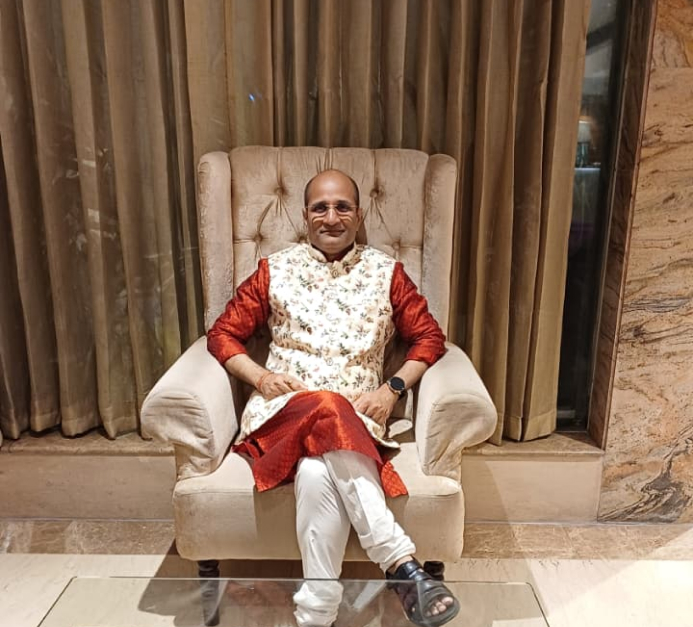
Acharya Shri Devesh Kumar Thakur Ji was born into a Maithili Brahmin family, and from childhood, he was blessed with knowledge of parapsychology and paranormal vision. His father was the Head of Department (HoD) of Archaeology at a government university, and his mother was a teacher at a government school. Both his maternal and paternal grandfathers retired from high-ranking positions in the Department of Education & Power Project, Government of India.
With the divine blessings from Matarani, Goddess Durga, Guruji started astrological predictions from childhood by looking at palms and foreheads. Along with formal education, Acharya ji was especially interested in Tantra-mantra, spirituality, meditation, and the presence and usage of invisible paranormal powers. Guruji had completed his M.B.A. in 1995. He had started his own business, and for 17 years he acted as a Managing Director in a Pvt. Ltd. company, and after that he had served as Sr. Vice President (Sr. V.P.) of a big IT company. And thereafter, he has taken responsibility for social service for the suffering people.
Hastarekha (Palmistry), Samudrik-shastra, Jyotisha (Astrology), Tantra, and Parapsychology were his natural fields of interest, and due to that, he had studied them deeply. As a worshiper of Devi Shakti since the age of 22, he spent many of his nights in the cremation ground (Shamshana) near Kalidas’s Ishta Devata, Maa Ucchaith Bhagawati, by performing Shamshan Sadhana to experience those paranormal energies or supernatural spirits.
He performed severe austerities (sadhana) for Maa Pitambari and Haridra Ganapati and accomplished many next-to-impossible tasks and, through various rituals across many families and societies, completed works that had stalled.
The article explains how the Sun in astrology reflects our core personality, willpower, and self-expression. It’s the ruler of Leo and shines brightest in Aries. Knowing your Sun Sign helps boost self-awareness and aligns with your true purpose. Also this info tells us about our destiny
“A well-structured website that presents valuable astrological insights and future guidance. Informative and thoughtfully curated for anyone interested in exploring astrology.”