
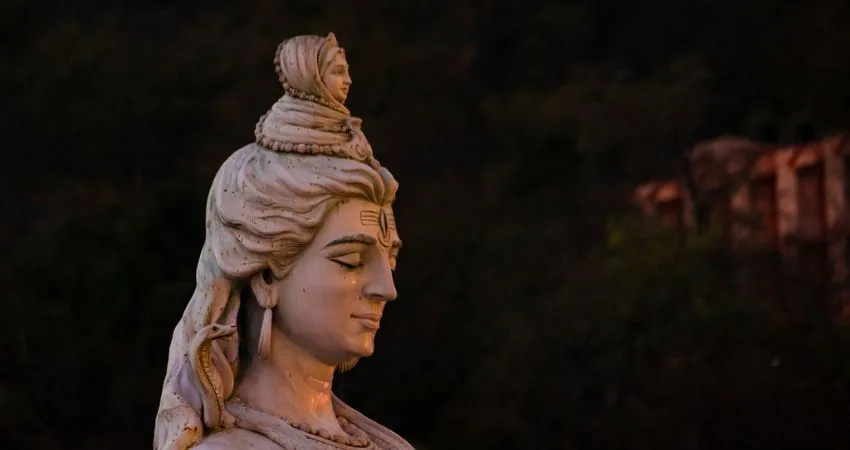
Lord Shiva: The God of Transformation and Cosmic Balance
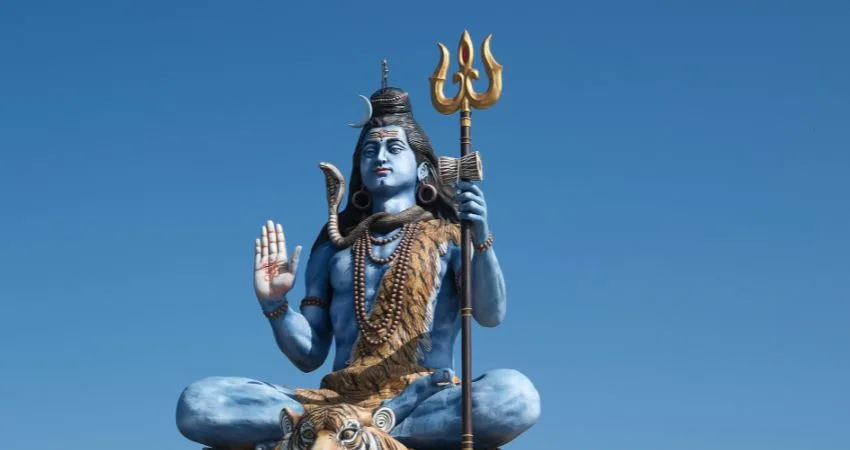
There’s something about Lord Shiva that feels… different. Not distant, not complicated — just deeply real.
Most of us grow up hearing that Shiva is the “destroyer,” and honestly, it sounds a bit intense at first. But as you start understanding him, you realize it’s not destruction in a negative way. It’s more like… letting go of what no longer fits your life.
Think about it — haven’t you had phases where something ended, and only later you understood why it had to? That’s Shiva’s energy. Quiet, powerful, and very real.
He doesn’t promise a perfect life. He teaches you how to handle an imperfect one.
1. Shivaratri: Its Significance in Astrology

Maha Shivaratri doesn’t feel like a typical festival. There’s no loud celebration or rush — it’s more calm, more inward.
People fast, stay awake, chant, or just sit quietly. And interestingly, even people who don’t usually follow rituals feel like doing something on this night.
Maybe it’s belief, maybe it’s energy — but Shivaratri has this way of slowing everything down. Like life is telling you, “Pause for a second. Breathe.”
2. Shiva’s Third Eye: Its Symbolism
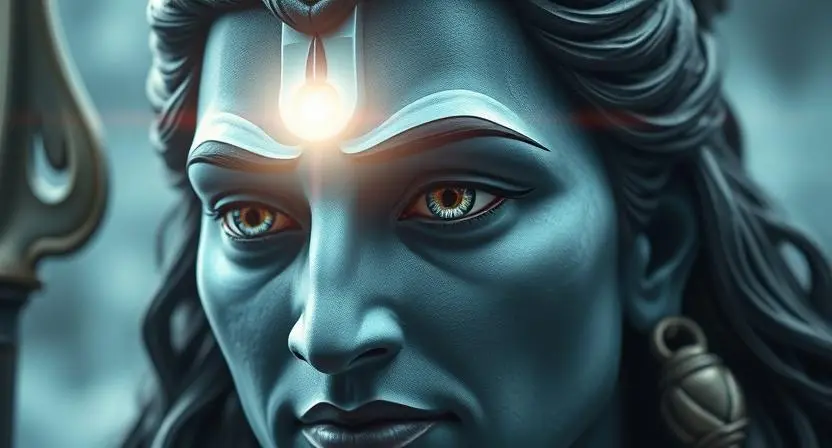
We’ve all heard about Shiva’s third eye, right?
But it’s not just about destruction like it’s often shown. It’s more about awareness — seeing things clearly, without confusion.
It’s linked to the Ajna Chakra, which is basically your intuition. That gut feeling you get when something is right or wrong? That’s what this represents.
It’s not magic. It’s clarity.
3. Shiva’s Role in the Trinity of Hinduism

In the bigger picture, Shiva is part of the trinity — creator, preserver, destroyer.
And his role? To end what needs to end.
Sounds harsh, but if you think about your own life — some endings actually saved you. A wrong opportunity, a toxic situation, a phase you outgrew.
That’s not loss. That’s protection. That’s transformation.
4. The Power of Shiva’s Trishul (Trident)

Shiva’s Trishul looks powerful, but what it represents is actually very simple — balance.
Life is always swinging between calm, chaos, and stillness. And somehow, we’re always trying to control it.
The Trishul is like a reminder that you don’t have to control everything. You just need to stay centered while things move around you.
5. Shiva and the Moon: Their Mystical Connection
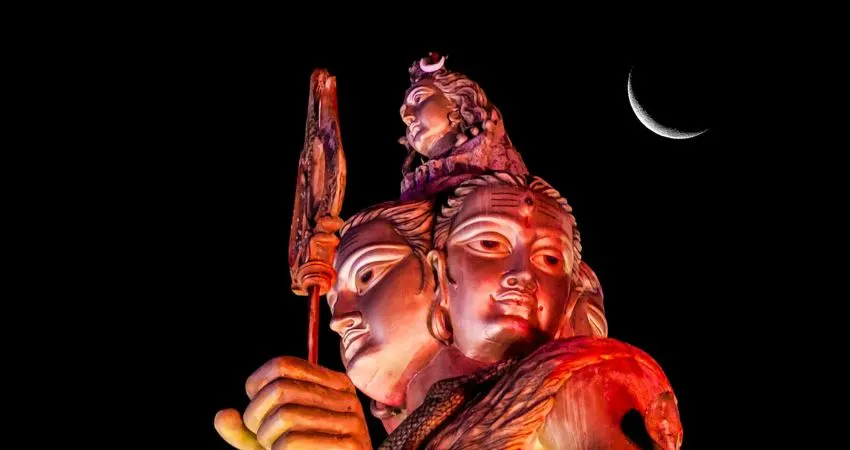
That small crescent moon on Shiva’s head? It’s not just for aesthetics.
It represents emotional balance. Because let’s be real — our biggest struggles are usually not outside, they’re inside our mind.
Shiva carrying the moon is like saying: you can stay calm even when your emotions aren’t.
6. The Legend of Shiva and the Poison Halahala
One of the most powerful stories is when Shiva drank poison to save the universe.
And honestly, it hits differently when you think about real life.
Sometimes we all go through “poison” — stress, heartbreak, pressure, overthinking. You can’t always avoid it. But you can learn how to hold it without letting it destroy you.
That’s what this story really teaches.
7. Shiva’s Damru and the Rhythm of the Universe

The damru (that small drum) represents rhythm.
And if you think about it, life is nothing but rhythm — good days, bad days, growth, pauses.
The problem is, we expect everything to stay perfect all the time.
Shiva’s damru reminds you — it’s okay if life moves in cycles. That’s how it’s supposed to be.
8. The Importance of Shiva Lingam in Worship

The Shiva Lingam is often misunderstood, but it actually represents something very deep — infinity.
No beginning, no end. Just existence.
For many people, praying to it isn’t about rituals or rules. It’s just a moment of stillness. A moment to feel grounded.
9. Shiva’s Connection to Meditation and Yoga

Shiva is known as the first yogi. And when you see his images — calm, still, completely at peace — it makes sense.
In today’s world, where everything is fast and noisy, even sitting quietly for 5 minutes feels hard.
But that’s exactly where the connection begins. Not in big rituals, but in small moments of silence.
10. How to Connect with Lord Shiva for Spiritual Growth
You don’t need to do anything complicated to feel connected to Shiva. Honestly, the simplest things work the best:
- Sit quietly for a few minutes without your phone
- Chant something simple if it feels natural
- Fast on Mondays only if your body allows it
- Visit a temple when you genuinely feel like going
There’s no pressure. No “perfect” way.
Just intention.
Unlock the Divine Wisdom of Shiva
At the end of the day, Lord Shiva isn’t just about religion or rituals.
He represents something we all go through — change. Letting go. Starting again.
FAQs (Frequently Asked Questions):
What does Shiva do on Maha Shivratri?
On Maha Shivratri, devotees celebrate Shiva’s cosmic dance and his union with Goddess Parvati. It is believed to be a night of powerful spiritual energy and transformation.
Which month is Shiva’s birthday?
Shiva’s birth is celebrated during the month of Phalguna (February–March), during Maha Shivratri.
Is Shiva married on Maha Shivratri?
Yes, Maha Shivratri is associated with the divine marriage of Shiva and Parvati, symbolizing balance and unity.
What is the reason behind Maha Shivratri?
It is believed that on this night, Shiva defeated darkness and ignorance, restoring balance in the universe—making it a symbol of victory of light over darkness.
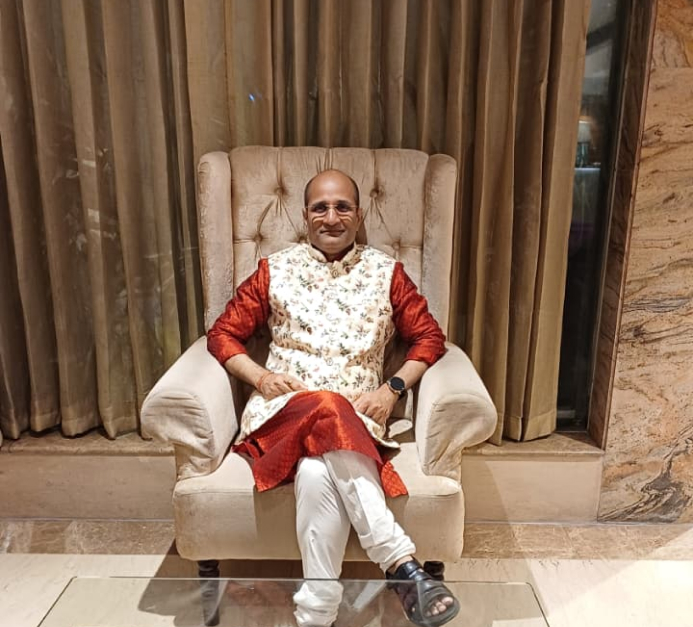
Acharya Shri Devesh Kumar Thakur Ji was born into a Maithili Brahmin family, and from childhood, he was blessed with knowledge of parapsychology and paranormal vision. His father was the Head of Department (HoD) of Archaeology at a government university, and his mother was a teacher at a government school. Both his maternal and paternal grandfathers retired from high-ranking positions in the Department of Education & Power Project, Government of India.
With the divine blessings from Matarani, Goddess Durga, Guruji started astrological predictions from childhood by looking at palms and foreheads. Along with formal education, Acharya ji was especially interested in Tantra-mantra, spirituality, meditation, and the presence and usage of invisible paranormal powers. Guruji had completed his M.B.A. in 1995. He had started his own business, and for 17 years he acted as a Managing Director in a Pvt. Ltd. company, and after that he had served as Sr. Vice President (Sr. V.P.) of a big IT company. And thereafter, he has taken responsibility for social service for the suffering people.
Hastarekha (Palmistry), Samudrik-shastra, Jyotisha (Astrology), Tantra, and Parapsychology were his natural fields of interest, and due to that, he had studied them deeply. As a worshiper of Devi Shakti since the age of 22, he spent many of his nights in the cremation ground (Shamshana) near Kalidas’s Ishta Devata, Maa Ucchaith Bhagawati, by performing Shamshan Sadhana to experience those paranormal energies or supernatural spirits.
He performed severe austerities (sadhana) for Maa Pitambari and Haridra Ganapati and accomplished many next-to-impossible tasks and, through various rituals across many families and societies, completed works that had stalled.